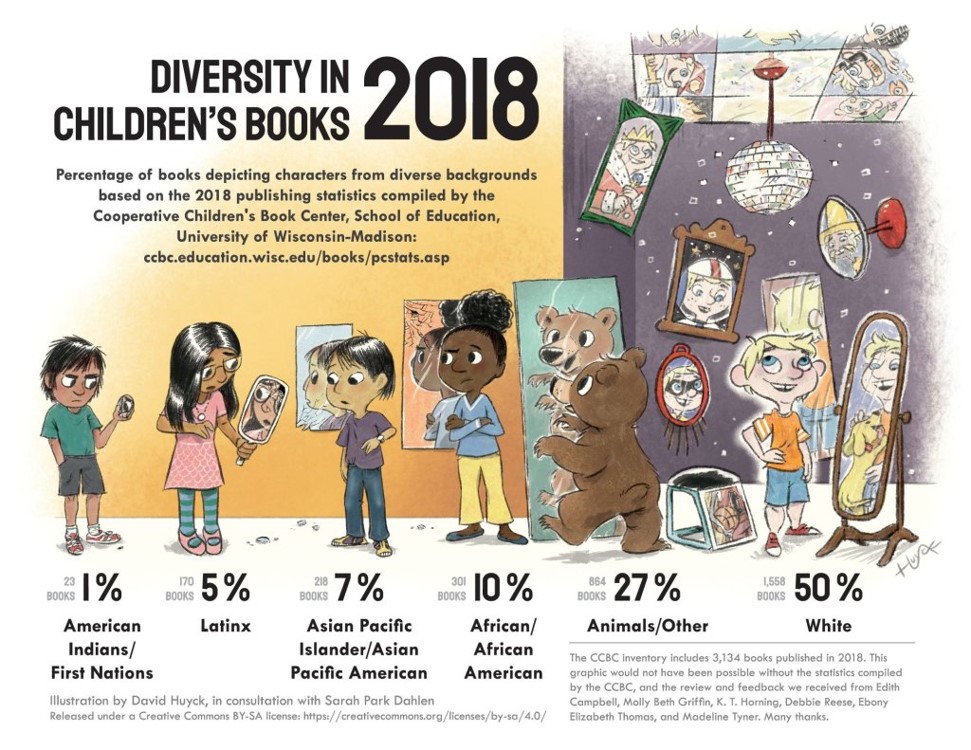
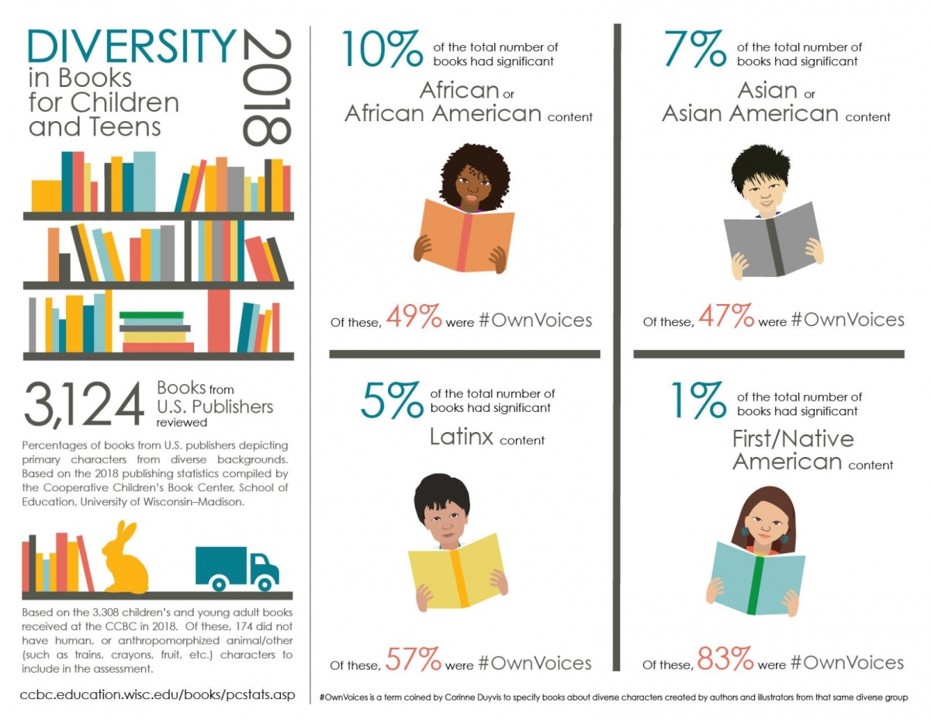
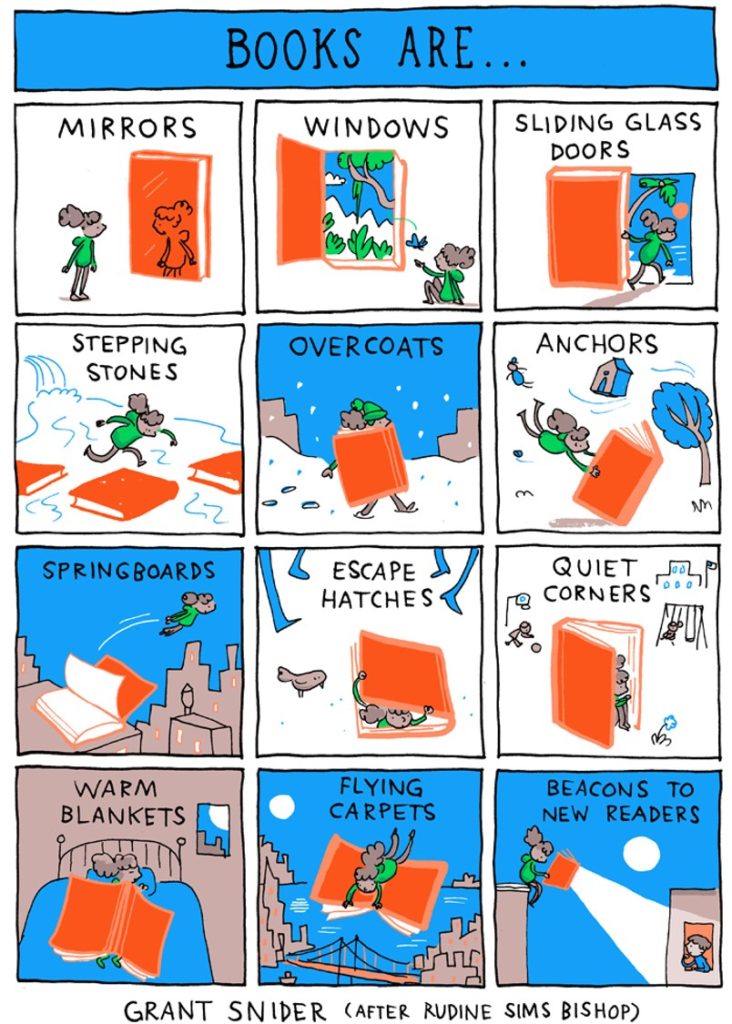
A mirror is a story that reflects your own culture and helps build your identity. A window is a resource that offers you a view into someone else’s experience. There is a shortage of living books featuring black & brown characters, yet it is incredibly unhealthy for children to solely read about the lives of white fictional characters, the trials and contributions of white historic figures, and the struggles and triumphs of slaves, former slaves, and the poor, ignorant, or down-trodden.
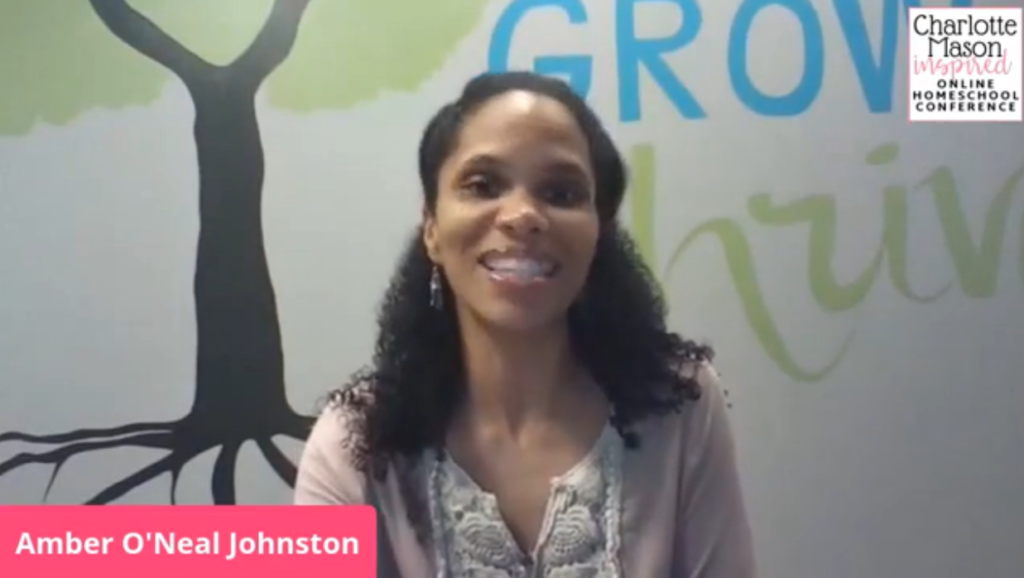
For the Charlotte Mason Inspired Online conference, I discussed how we can stay true to Charlotte Mason’s principles while creating mirrors and windows for all children to see themselves and others reflected in their school books. I hope those of you who made it were inspired and blessed by my words!
Links to resources & quotes mentioned in video:
- African-American history books (Shown on the photo during the workshop)
- Definition of Life-Giving Books (Term I use to describe the category of many mirrors and windows)
- The Demon of Exclusiveness (Charlotte Mason quote)
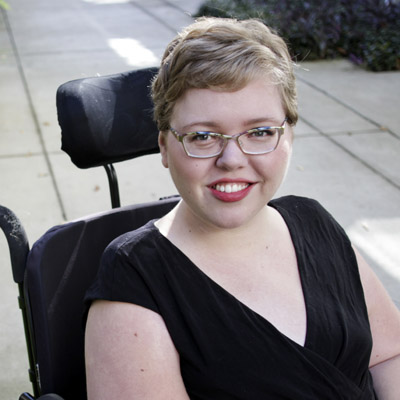
Kayla Whaley 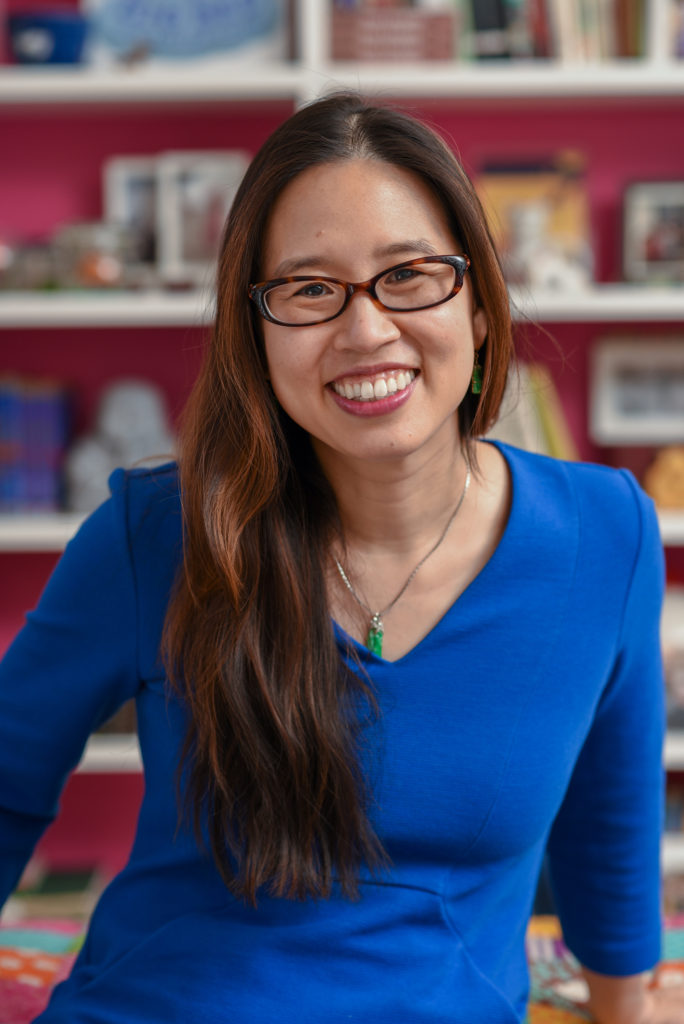
Grace Lin 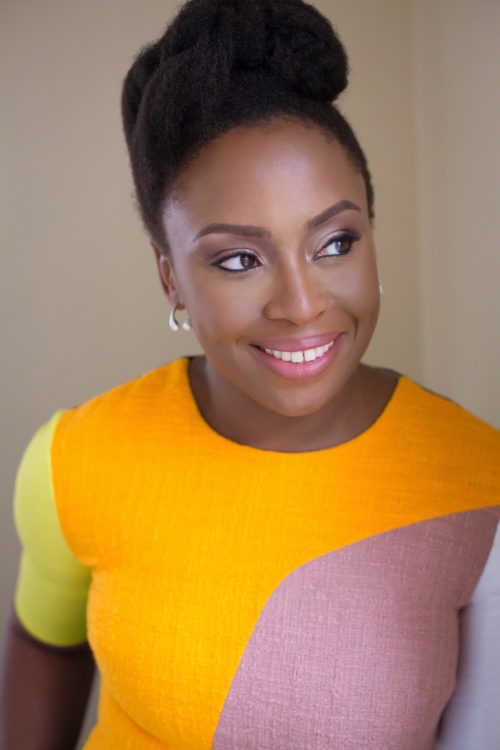
Chimamanda Ngozi Adichie
“Even when portrayals of diverse characters by majority-group authors are respectfully and accurately done, there’s an extra degree of nuance and authority that comes with writing from lived experience. Those books that are #OwnVoices have an added richness to them precisely because the author shares an identity with the character. The author has the deepest possible understanding of the intricacies, the joys, the difficulties, the pride, the frustration, and every other possible facet of that particular life — because the author has actually lived it.”
– Kayla Whaley, Senior Editor of Disability in Kidlit
“There was nobody who looked like me anywhere. There was nobody that looked like me in school, there was nobody that looked like me in the movies, there was nobody who looked like me on tv or in the magazines. And most importantly, there was nobody that looked like me in the books that I loved…How could I create any vision to share with the world when I had never even looked at myself?…My books are the books I wish I had when I was a child.”
– Grace Lin, author of Where the Mountain Meets the Moon
“The single story creates stereotypes, and the problem with stereotypes is not that they are untrue, but that they are incomplete. They make one story become the only story…The consequence of the single story is this: it robs people of dignity. It makes the recognition of our equal humanity difficult.”
– Chimamanda Ngozi Adichie, The Danger of a Single Story TED Talk
“Perhaps the gravest defect in school curricula is that they fail to give a comprehensive, intelligent and interesting introduction to history. To leave off or even to begin with the history of our own country is fatal. We cannot live sanely unless we know that other peoples are as we are with a difference, that their history is as ours, with a difference, that they too have been represented by their poets and their artists, that they too have their literature and their national life. We have been asleep and our awaking is rather terrible.”
– Charlotte Mason, Volume 6, Towards a Philosophy of Education, pg 178
“Children must have books, living books; the best are not too good for them; anything less than the best is not good enough”
– Charlotte Mason, Volume 2, Parents and Children, pg 279
“Amazingly, whether the topic was Fibonacci numbers, ocean currents, or the Battle of Actium, truly great writing grabbed young readers in the earlier Golden Age of Youth Literature, when such narrative books were the norm, and publishers esteemed the humanness of their readers (ala the Judeo-Christian ethic) through creamy paper, generous spacing, and….drumroll, please…breathtaking, hand-made, evocative, artistic illustrations. Ah, a living book! Even the topics covered were of admirable breadth and depth. That high-water mark has not been matched, so we rescue and read.”
– Michelle Howard Miller, LivingBooksLady.com
Please let me know in the comments if there was anything else that I mentioned and should add here!
You can find me on Instagram @heritagemomblog.
Thank you, Amber, for this powerful talk about the vital importance of “life-giving” books. I was hesitant to follow CM because of the obvious absence of living books that reflected me and my kids, but you saying that you gave yourself “permission” to add and include “Mirror” and “Window” books was so empowering… of course I can modify the book list! The world can use more of Mirror and Window books! Thank you for what you do.
I’m so glad that you were able to walk away feeling empowered to make those changes. It really is the best of both worlds to have the CM principles and the books that are right for your family.
Thanks so much, Amber. The current happenings in our country have created a lot of inner turmoil for me as an autistic person. Your recent work, including this workshop, have brought me peace, reassurance, perspective, and food for thought. Thank you, thank you! -d
Danielle, I’m really glad that some of my work has helped bring peace and clarity for you. That’s wonderful for me to hear.
I LOVED LOVED LOVED this talk. I’m in a very multicultural family (I’m half Mexican, half Euro/American mix) and my husband is Indian (not Native American) so this is my constant struggle. I’m still on the early side of things as my eldest is only 5 but one of my challenges is that because we ARE so much, I want to include ALL of the things and it seems impossible. Practically I know that as long as they are getting a mix all will be well but I’m sure you can understand the feeling that I’m missing the mark if I don’t include ALL the big Indian + Mexican + Euro/American artists/musicians/authors/history. It is a struggle.
Oh, yes I do understand! I struggle with wanting to include ALL of the things on a regular basis. Story of my life, lol. But you’re right, getting a mix with different viewpoints and stories is the real key. And thank you for the encouragement! I really enjoyed doing the talk.
Thank you. That helped me so much. I’ve been wrestling with so many of the topics you touched on. I’ve always been drawn to the CM philosophy but felt the way I saw it being applied to be somewhat stifling.
Thank you for giving us more room to breath and more beauty to behold
“More room to breath and more beauty to behold” – That’s such a nice way of thinking of it. I’m going to use that! You’re very welcome. I know what I needed, and I figured that other moms needed it too. Thank you for letting me know that it helped.
I really loved this talk. Thank you so much. I was laughing along when you described your sister-in-law’s big Italian family. My husband’s family is Sicilian and so very big and loud, just like you describe. It was a bit of a culture shock to me when i first met them and sometimes I still feel a bit overwhelmed by the noise.
Also, what you say about mirrors really hit home to me and made me think of how none of the books I read as a child mirrored to me children who were Catholic like me. All the children in my favorite books, Laura in the Little House books, Anne of Green Gables, etc. if they went to church at all went to churches that were very different from mine. When I became a mom and discovered Catholic Charlotte Mason one of the things I discovered were these living books, by people like Hilda van Stockum and Meriol Trevor, about children in big families who went to Mass and to Catholic school and who prayed the rosary and had statues of saints. It was a revelation and made me wish I’d had books like those growing up that mirrored my experience back to me. And I’m so glad my children have those books on their shelves along with all the books I loved as a child.
I’ve always tried to provide books which are windows for my children (though I hadn’t used that word for them) that let them experience the lives of people who are not just like us and I look forward to exploring your blog and learning about more life-giving books and more books that can be windows for us.
Thank you for your talk and your lovely blog.
Melanie, that is such a good example of mirrors! And you naturally sought to provide them for your children based on your own experience growing up. This is why we (the mothers) are so vital in our children’s education. There are things that all children need, but there is a “special sauce” that a mother can add that will make her home different than anyone else’s. I get so energized just thinking about this. I’m such a dork sometimes, lol. Thank you for listening to the talk and for being here.
Thank you, thank you, thank you from the bottom of my urban teacher heart, and from the bottom of my momma heart. My littlest daughter was adopted, and is multiracial. As a history teacher by trade, I’m frustrated that most history programs give her a triple dose of feeling left out — few women’s stories, few people of color or women being recognized for scientific contributions (she wants to be a scientist), and very few stories of Black people that aren’t so super simplified into celebrating the invention of peanut butter but no mention of the crop rotation techniques that kept a million people from starving. We’ve made a huge effort in our home to overcome this, which I knew was touching our hearts in the best way when everyone wept this spring when Katherine Johnson died because we love her so and are so thankful for her story being in the public consciousness now.
I’ve been frustrated trying to plan for our first homeschool year and seeing more of the same old all white lineup, only more so because the books are often reflecting awful cultural norms of the past, and holding up people as perfect heroes who we know were really complex, flawed humans. Thank you for being a voice to bring awareness that this is an issue for every homeschooling parent to address.
I have always said that a mama’s heart will find a way out of no way. Your passion for your daughter (and your students, I’m sure!) is so powerful. Thank you for seeing that there is another way and that other stories have to be told. BTW, one of my daughters is also super into science. I love it!
I am so glad to have found your site. Charlotte Mason felt intuitively right for our family but I couldn’t fathom how my kids would see themselves in the living books. I now feel more confident giving this first year of homeschool a go. Thank you thank you thank you.
You’re so welcome! I’m really glad that you found me here. It helps so much to know that you’re not crazy or alone. I hope you find a bunch of resources here to help you through your first year. Welcome to homeschooling!
Amber, is this video content no longer available through your website? It’s such an important talk and I keep sharing it with people!
Thank you for sharing it! It looks like the conference organizers removed the free access for the video. I’m so sorry. I’ll try to record it again this summer for my website, but I’ll update this post above for now.